The Exile Zone in MTG: What Can and Cannot Come Back?
Exile is a zone, not a guarantee that a card is gone forever. Learn when exiled cards can return, be cast or be played—and when they remain inaccessible.

 Matthew Johnson
Exile is a zone, not a guarantee that a card is gone forever. Learn when exiled cards can return, be cast or be played—and when they remain inaccessible.
A banned card cannot be included in a deck or sideboard for that format. A restricted card is limited to one total copy across both. Here is why the distinction matters in Vintage, Timeless, and format-specific legality checks.
WPN stores can use Sealed Deck or Standard for RCQs running from December 11, 2026 through March 28, 2027. That gives Limited players a meaningful qualification route, but the store—not the player—chooses the event format.

Identify Magic’s four earliest base-set printings by border color, corner shape, inner frame, and card pool, with cautions for collectors.

Magic’s Star Trek set is being designed around a slower rhythm and larger late-game moments. Spacecraft will be the clearest test of whether that promise produces satisfying games or merely expensive setup.

Modern is a nonrotating, one-on-one Constructed format with a card pool beginning at Eighth Edition and Mirrodin. Here is how deck construction, legality, bans, reprints, and tournament proxy rules work.

MTG set codes are short database identifiers for sets and product groups. Learn how to combine them with collector numbers and other details to identify a printing.
Clearly marked playtest cards help Magic players evaluate decks, build Cubes, explore Commander ideas, and protect collectible cards. Here is how they differ from counterfeits and tournament proxies.
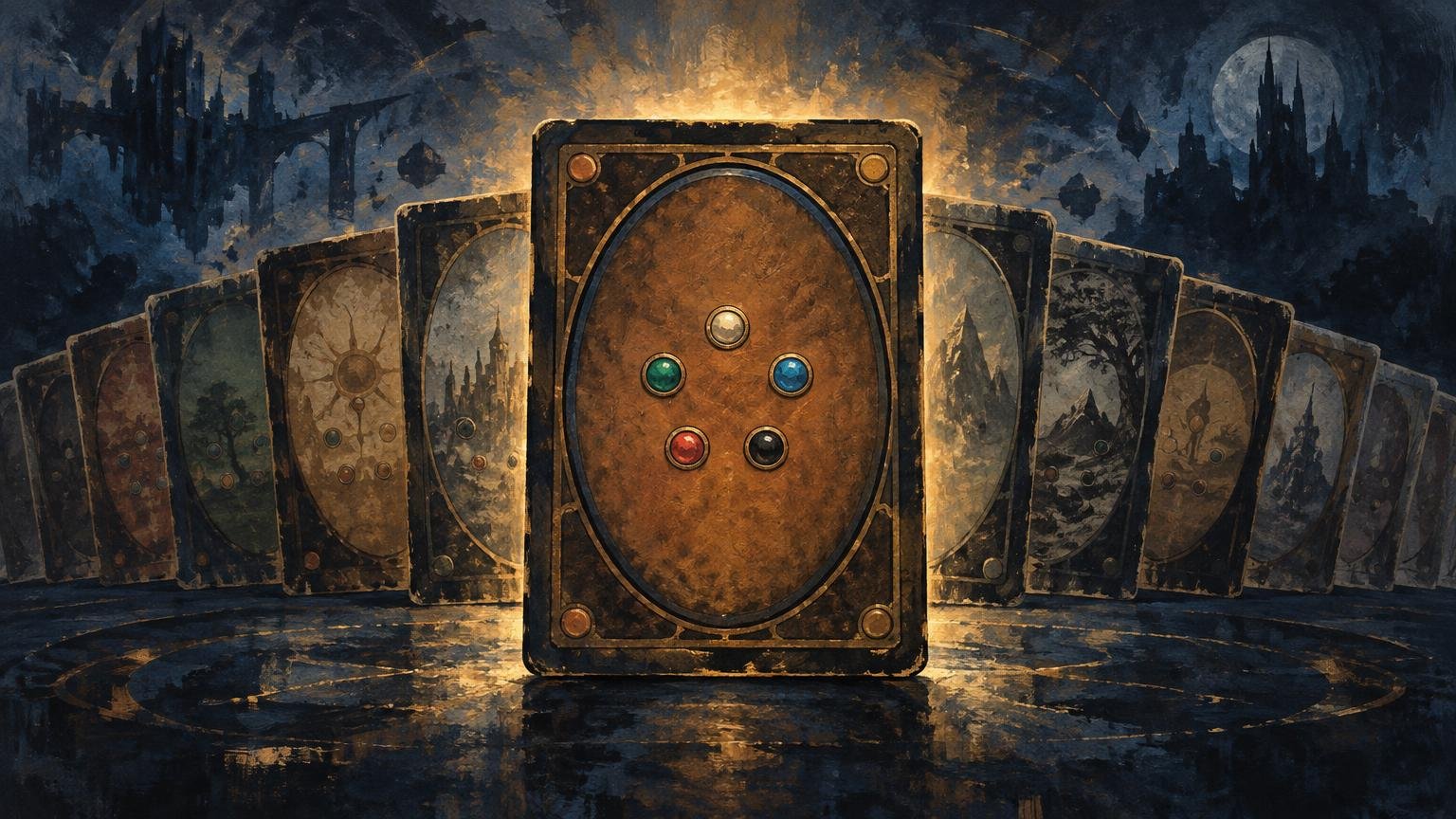
Magic’s card back preserves a design created for a larger Deckmaster brand. Its longevity helps cards from different eras remain visually compatible.
Broodscale Combo combined a 12.6% field share with a 55.3% non-mirror match-win rate at two Regional Championships. That makes it a clear testing priority, not the only deck that matters.